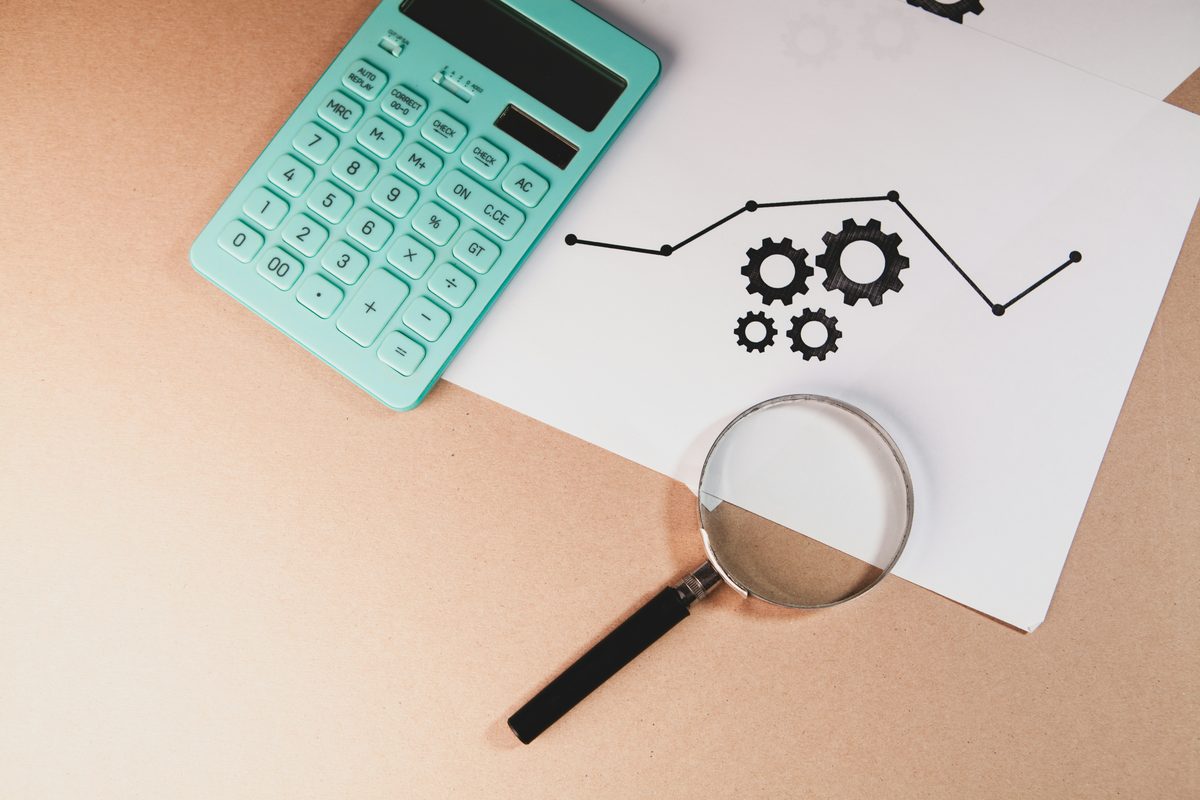
Predictive modeling, process optimization, and anomaly detection — applied to the data you already collect, not a platform you have to adopt.
We build forecasting models on top of your own historical data — production volumes, equipment wear, demand cycles — rather than fitting your business into a generic template. The goal is a model your team can actually act on: clear inputs, an honest confidence range, and a recommendation you can defend in a planning meeting.
We analyze your line, cell, or process data to find where time, yield, or material is actually being lost — not where the org chart assumes it is. The output is a ranked list of constraints, backed by the same data your team already reports on, so the next investment goes where it will actually move the number.
We build monitoring models that learn what normal looks like for your process, then flag the moment something drifts — a sensor reading, a cycle time, a quality measure — early enough for someone to act, not just explain it in the post-mortem.
We start on your floor, not in a workshop. A short discovery phase maps the data you have, the decision it needs to support, and what success looks like before any modeling begins.
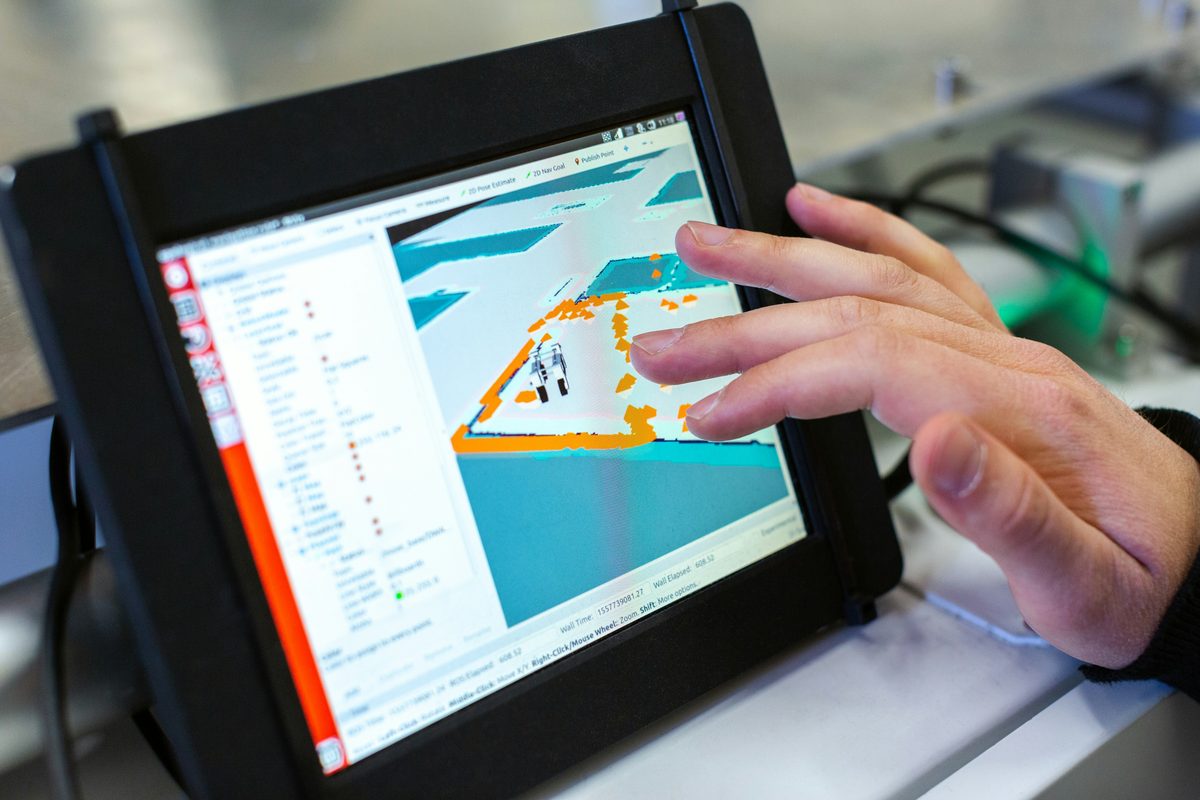
Models are built and tested against your own historical data, with the assumptions and confidence ranges laid out plainly — no black box, no decision you can't explain upward.
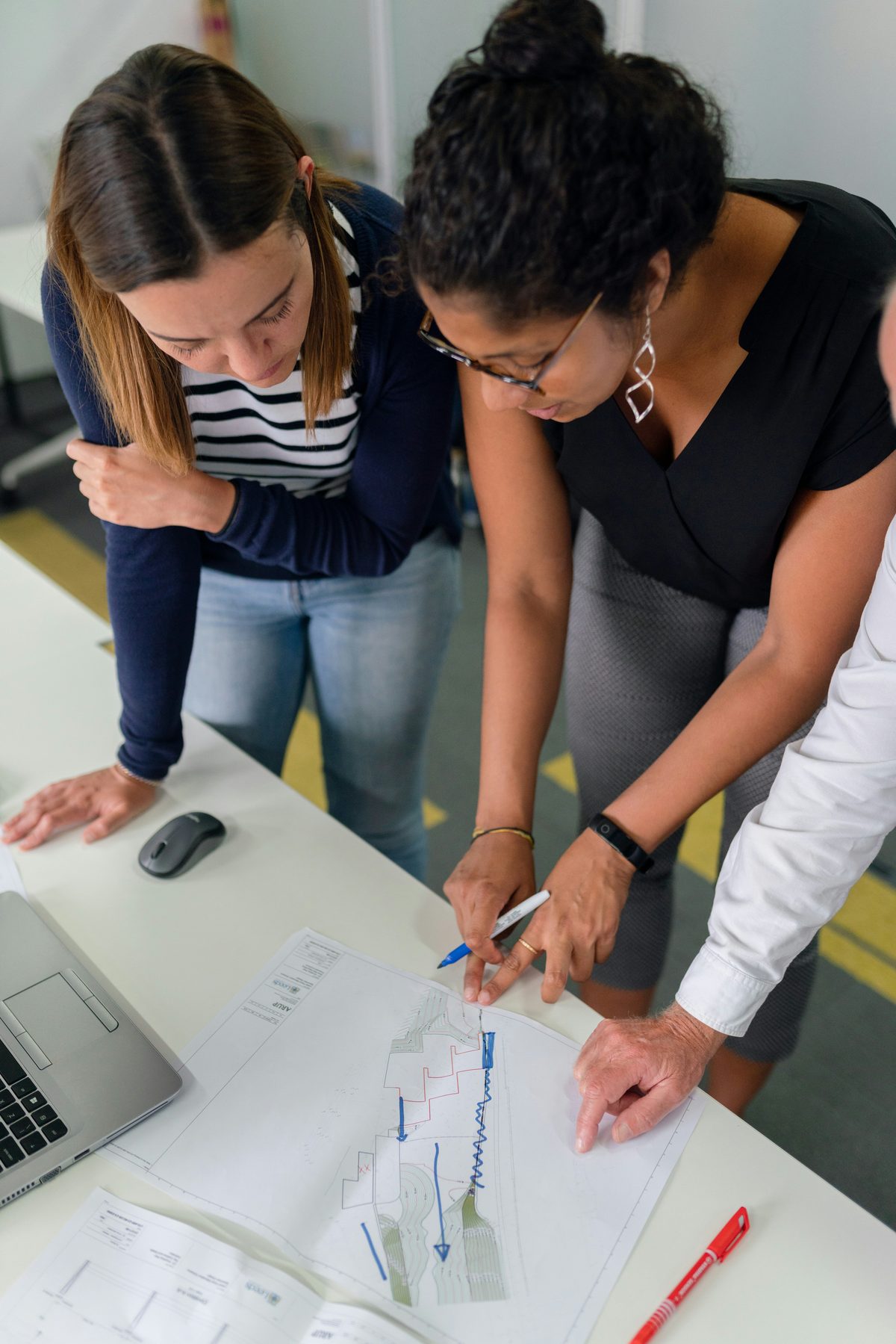
You get a model your team can run, a clear explanation of how it works, and ongoing support as your process — and your data — keeps changing.